
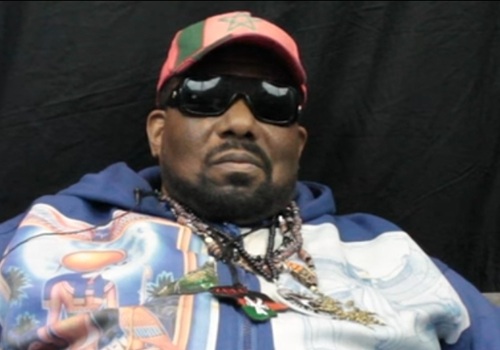

The Hip Hop community suffered a major blow when it was announced that Afrika Bambaataa, one of the forefathers of Hip Hop, had died. He has received much praise for his impact on the culture. However, his contributions have been overshadowed by sexual abuse allegations. The question is: does that affect his legacy?
Again, Bambaataa made significant contributions to the culture. He and Soulsonic Force’s 1982 release, “Planet Rock,” set the bar for the genre. The upbeat party record introduced a new musical style and would later help create subgenres such as Electro, Miami Bass, Techno, and West Coast Hip Hop. Robert Palmer of The New York Times called the track “the most influential Black pop record of 1982.”
Bambaataa also formed the Universal Zulu Nation, a collective of socially and politically aware rappers, B-boys, graffiti artists, and DJs, among others.
However, in April 2016, his legacy took a hit when he was accused of sexually molesting Bronx political activist Ronald Savage. According to the accusation, the abuse dated back to 1980, when Savage was only 15 years old.
Following the allegations, three more men accused Bambaataa of sexual abuse. The Zulu Nation founder issued a statement to Rolling Stone denying the allegations. Initially, the Universal Zulu Nation defended their leader. However, their stance later shifted, and they issued an apology letter.
After Bambaataa’s death, Kurtis Blow, a fellow Hip Hop pioneer, acknowledged his legacy: “Afrika Bambaataa helped shape the early identity of Hip Hop as a global movement rooted in peace, unity, love, and having fun.”
However, he did not shy away from the allegations: “At the same time, we recognize that his legacy is complex and has been the subject of serious conversations within our community.”
They say two things can be true at the same time. But can we praise a bad man for doing good? Or do we discredit a good man because he did bad?
RIP Afrika Bambaataa
Due to PDF allegations, is Afrika Bambaataa’s legacy tarnish?
Polls Are Closed!
85% – Absolutely
15% – Not at all. He’s still a Hip Hop Legend!